What’s Next in Functional Protein Sources…
Pea and soy, the rulers of protein plant-based nutrition for quite sometime, until now!
Pea and soy beans have fueled everything from protein shakes to meat replacements, offering a pretty solid alternative to animal-derived sources, but as the global appetite for functional nutrition grows, the demand for cleaner, more sustainable, and more bioavailable proteins is increasing as well. Consumers are looking for more than just a meat substitute, they’re seeking nourishment that supports energy, recovery, gut health, and longevity.
The next generation of plant-powered proteins is here, and it’s surprisingly diverse.
Fava Bean: The Digestive-Friendly Protein
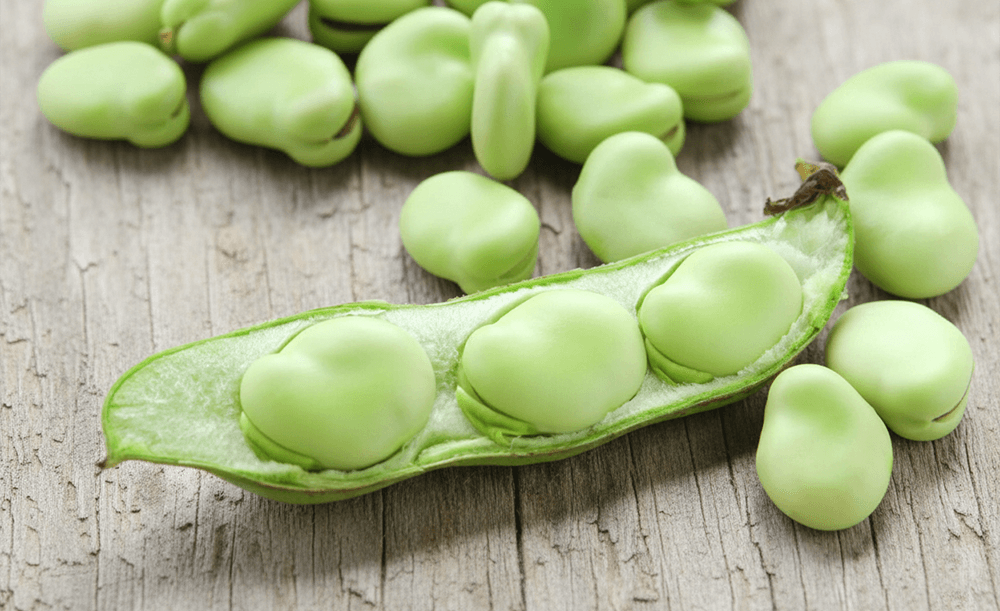
Once considered a humble crop, the fava bean (broad bean) has emerged as a hero in the plant-protein movement. Its mild flavor, high protein content, and light digestibility make it a perfect option for sensitive stomachs that struggle with soy or pea. Fava bean protein also boasts a balanced amino acid profile, supporting muscle repair and satiety.
In functional formulations, fava protein performs beautifully – it blends smoothly into shakes and snacks and brings structure to plant-based baked goods without the chalky texture that pea protein sometimes leaves behind.
Hemp Protein: Omega-Rich and Earthy
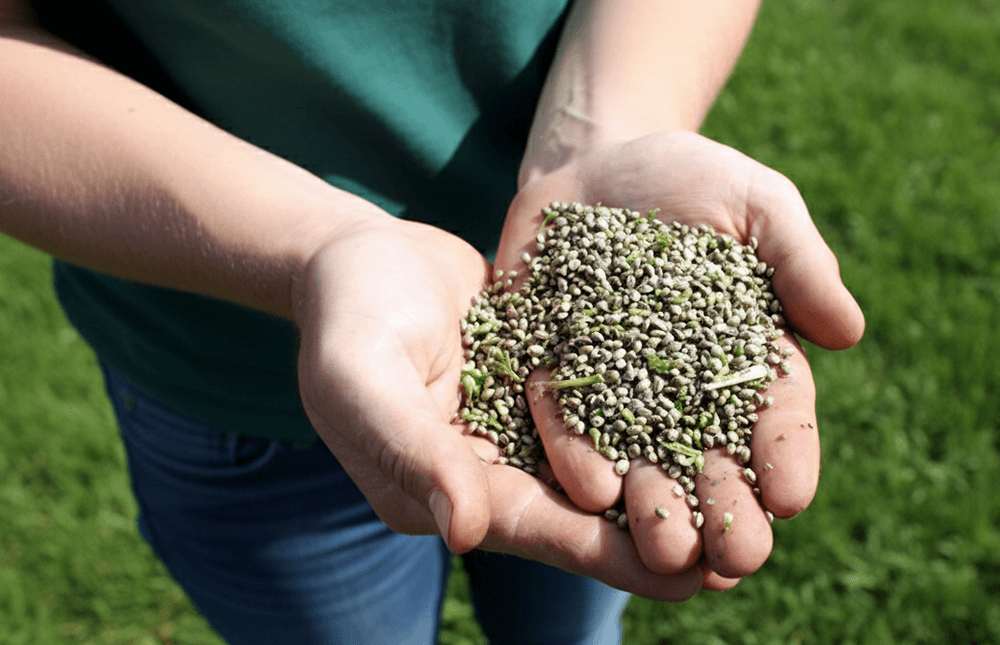
Hemp protein is gaining fresh attention for its complete amino acid profile and anti-inflammatory omega-3 and omega-6 fatty acids. It’s particularly rich in arginine, which supports cardiovascular health and muscle recovery.
Beyond its nutrient density, hemp wins major sustainability points. The hemp plant regenerates soil, requires little water, and grows without pesticides – making it one of the most eco-friendly protein sources available.
While hemp protein has a distinct, nutty flavor, new extraction technologies are creating smoother, milder versions that blend effortlessly into smoothies or protein bars.
Pumpkin Seed Protein: Gentle Powerhouse for Hormonal Health
Pumpkin seed protein has become a quiet favorite among functional nutrition enthusiasts. It’s loaded with magnesium, zinc, and iron – minerals that support thyroid balance, immune strength, and hormonal harmony.
Because pumpkin seeds are naturally rich in antioxidants and healthy fats, the resulting protein powder delivers both satiety and cellular protection. It’s also hypoallergenic, gluten-free, and easy to digest, making it ideal for those with food sensitivities.
Water Lentil (Duckweed): The Protein of the Future
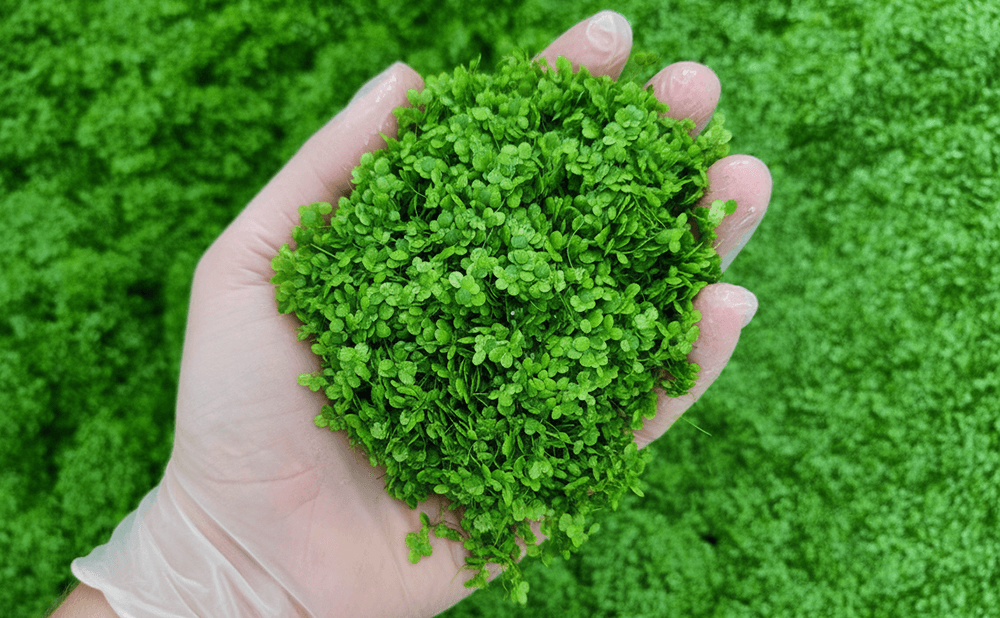
Probably the most exciting newcomer is water lentil, also known as duckweed. This aquatic plant grows super fast, even doubling its biomass in just one day, and the best: it’s packed with protein, fiber, and micronutrients, including lutein and vitamin B12, which is quite rare to find in plant foods.
Its environmental impact is minimal, and it can be cultivated year-round without farmland, which has caught the eye of sustainability-focused food innovators. Water lentil protein is already appearing in premium wellness blends and may soon redefine what we think of as a “supergreen.”
Fermented & Mycelium Proteins: Gut-Friendly Innovation
The future of functional protein is not just plant-based, it’s also fermentation-powered. Using techniques similar to those that make kombucha and sourdough, food scientists are transforming mushrooms, algae, and even oats into high-protein, gut-friendly ingredients.
Mycelium protein, derived from the root structure of mushrooms, is particularly promising. It’s rich in fiber, neutral in taste, and naturally prebiotic – meaning it feeds beneficial gut bacteria while providing clean, digestible protein.
These innovations are bridging the gap between nutrition and microbiome health, ushering in a new era of “living proteins” that do more than fuel muscles – they nurture balance and longevity.
The Rise of Functional Blends
No single protein source is perfect, which is why many functional nutrition brands are now creating multi-protein blends: by combining complementary sources, such as fava + hemp + pumpkin, they achieve complete amino acid profiles, improved texture, and added micronutrients.
These blends often incorporate superfood powders, mushroom extracts, or collagen-boosting botanicals to increase their benefits even further. What we’ll get? Protein supplements that align with modern wellness goals, from supporting hormone health to promoting radiant skin and, sustainabity!
Choosing the Right Protein for You
When selecting a plant protein powder or supplement, look for:
-
Transparency: Minimal ingredients and no synthetic additives.
-
Digestibility: Choose proteins tested for low lectin and low FODMAP content if you have gut sensitivities.
-
Functional synergy: Formulas that go beyond macronutrients – those enriched with adaptogens, probiotics, or supergreens.
Above all, tune into how your body feels. True elevated nutrition is about nourishment that supports both vitality and inner harmony.
The plant-protein landscape is evolving fast. From fava bean and pumpkin seed to hemp, water lentil, and mycelium, these new sources reflect a shift in consciousness: one that values sustainability, functionality, and whole-body wellness.
As science meets ancient wisdom, we’re finally seeing that protein is not just about building muscle, it’s about building resilience. The next wave of functional nutrition is here, and it’s more vibrant, intelligent, and plant-powered than ever.